Week 5: One Dance
 This week it was my groups turn to present for dance and we
decided to create a Grade One lesson based on Self-Regulation. Through this
lesson we incorporated dance and visual arts as well as a musical component. For
our minds on lesson, we passed around different coloured hearts to the class
and asked them to think of how that colour made them feel or a time where they
felt like that colour. Next, we asked the students to think of a dance movement
that they could use to represent this emotion and colour. We then had the
students perform their dance movement in small groups. This is a great component
to the lesson because it can be extended where students combine the coloured
dance moves to make a group dance performance.
This week it was my groups turn to present for dance and we
decided to create a Grade One lesson based on Self-Regulation. Through this
lesson we incorporated dance and visual arts as well as a musical component. For
our minds on lesson, we passed around different coloured hearts to the class
and asked them to think of how that colour made them feel or a time where they
felt like that colour. Next, we asked the students to think of a dance movement
that they could use to represent this emotion and colour. We then had the
students perform their dance movement in small groups. This is a great component
to the lesson because it can be extended where students combine the coloured
dance moves to make a group dance performance.

Week 4: D.A.N.C.E, 1, 2, 3, 4, 5!
It’s sad to say it, but this is my final dance blog!
We began this week by learning new activities to incorporate
visual arts into dance. We learned a 32 count dance that was really fun to
practice as a group. We began by dancing in our chairs which can be a great
example for an accommodation for a student with a broken leg. In order to make
the class equal, all students can be required to make up a dance while sitting
in their chair. The dance would only require movements using the upper half of
their body. Additionally, after practicing our group dance we notated our dance
moves on a piece of paper and in groups we created a new 8 count to add to the
dance.
This week it was my groups turn to present for dance and we
decided to create a Grade One lesson based on Self-Regulation. Through this
lesson we incorporated dance and visual arts as well as a musical component. For
our minds on lesson, we passed around different coloured hearts to the class
and asked them to think of how that colour made them feel or a time where they
felt like that colour. Next, we asked the students to think of a dance movement
that they could use to represent this emotion and colour. We then had the
students perform their dance movement in small groups. This is a great component
to the lesson because it can be extended where students combine the coloured
dance moves to make a group dance performance.
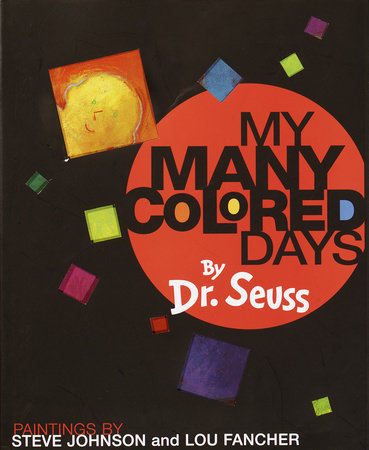
Also in our lesson we utilized the story “Many Coloured Days”
by Dr. Seuss as our base to the lesson as this storybook relates colour to
feelings and emotions. After reading through the story, we chose classical
music that would match each part of the story and encouraged our fellow teacher
candidates to feel the music and dance through the colour. For example, for a
bright colour such as pink or yellow the dance movements and tension will be
fast and short, however for gray or purple the dance moves are much slower and
lower to the ground. This is a beneficial lesson because students can be unique
with their dance movements and use BERST in order to translate their emotions
through dance. I have included a video of the teacher candidates dancing to the
specific colours we utilized.
As an extension to this lesson, students can explore the classical music further and use instruments to follow along with the songs. Educators can also add visual arts components where students examine colour and create pieces that give the colour a representation. Additionally, older students can be required to write a poem about colours and emotion in order to connect to literacy. There are a lot of great activities that you can create and use based off of this story.
Stick to the B.E.A.T!
Welcome back!!
Today we said adieu to our placement classrooms and went
back to school to learn new teaching strategies and topics that we can
incorporate into our future classrooms. It was very exciting to be back in the
dance classroom and reuniting with all of my classmates as we shared stories
from our experiences. We also covered a lot of great strategies that
incorporated social studies into dance lessons.
 One of the activities that really stuck out to me was
mapping our “happy place” or a place where we feel at ease. I decided to map
out a resort in Mexico based off of a vacation that I took last year. I started
by drawing waves and a shore, squiggles in the corner to represent dancing to music,
chips and guacamole in the middle as that was my favourite meal, and lastly I
drew “Z,z,z” on the other side to represent relaxing on the beach. After we
drew our maps and included “resting spots” we were asked to get up and dance
out the maps that we drew. This was a really fun activity and we had to use
different levels, space, direction and time to map out what move we would do
and when we would freeze in our body movements. After practicing with our own
maps we switched maps with several classmates and they had to interpret what we
drew. I really liked this connection to mapping and I can see this being
something I would have incorporated into my last practicum. I also liked how
one of my classmates mentioned that we could make a legend that students need
to include in order to form that connection between interpreting maps and
drawing maps. This was a very unique activity and it solidifies mapping for
students who learn more kinesthetically than visually.
One of the activities that really stuck out to me was
mapping our “happy place” or a place where we feel at ease. I decided to map
out a resort in Mexico based off of a vacation that I took last year. I started
by drawing waves and a shore, squiggles in the corner to represent dancing to music,
chips and guacamole in the middle as that was my favourite meal, and lastly I
drew “Z,z,z” on the other side to represent relaxing on the beach. After we
drew our maps and included “resting spots” we were asked to get up and dance
out the maps that we drew. This was a really fun activity and we had to use
different levels, space, direction and time to map out what move we would do
and when we would freeze in our body movements. After practicing with our own
maps we switched maps with several classmates and they had to interpret what we
drew. I really liked this connection to mapping and I can see this being
something I would have incorporated into my last practicum. I also liked how
one of my classmates mentioned that we could make a legend that students need
to include in order to form that connection between interpreting maps and
drawing maps. This was a very unique activity and it solidifies mapping for
students who learn more kinesthetically than visually.
Secondly, we did an activity where we had to link or hover
over a classmate’s hand or finger and rely on each other to move around the
room. This was a really great activity and it was interesting to control your
partner’s movements and ensure that they were using the full space but also
being weary of other groups passing by.
 Next, we read a story about a slave escaping through
the underground railroad and it was a very engaging and beautiful storybook.
For the activity we were provided with a specific part of the story and in
groups we acted out using our bodies and sounds in order to make our own story.
I included the image of the part of the story that my group received and we
decided to stomp our feet and then make a heart as a group to show it beating
and then becoming still. When we presented our parts to the rest of the class everyone’s
actions and sounds were so different and it was beautiful to see how the story
came to life and blended seamlessly through our retelling.
Next, we read a story about a slave escaping through
the underground railroad and it was a very engaging and beautiful storybook.
For the activity we were provided with a specific part of the story and in
groups we acted out using our bodies and sounds in order to make our own story.
I included the image of the part of the story that my group received and we
decided to stomp our feet and then make a heart as a group to show it beating
and then becoming still. When we presented our parts to the rest of the class everyone’s
actions and sounds were so different and it was beautiful to see how the story
came to life and blended seamlessly through our retelling. Furthermore, the group that presented did a fantastic job
with connecting coding to the dance curriculum. They linked their lesson to the
story “The Very Hungry Caterpillar” and in groups we coded the foods that the
caterpillar eats along the way. After coding the story (as seen in the image
provided) we had to create a dance that represented the steps we drew. I was
really happy with the dance that my group and I made up and this was a really
fun activity to experience! I’ve also included a link to the read aloud of the
story that they used.
Furthermore, the group that presented did a fantastic job
with connecting coding to the dance curriculum. They linked their lesson to the
story “The Very Hungry Caterpillar” and in groups we coded the foods that the
caterpillar eats along the way. After coding the story (as seen in the image
provided) we had to create a dance that represented the steps we drew. I was
really happy with the dance that my group and I made up and this was a really
fun activity to experience! I’ve also included a link to the read aloud of the
story that they used.
The Very Hungry Caterpillar: Animated Film
Week 3: I Want to Dance with Somebody!
Welcome back to my dance blog! This was our third class, and the last class before our teaching block begins! We learned a lot of great strategies in today's class and had a wonderful presentation. In the following vlog I do a quick recap with videos and pictures of the activities we did in class today.
I wanted to expand more on the storytelling aspect that we did with the presentation today. This group used the strategy of collage as we presented our dances. They connected this to the grade 6 social studies curriculum and incorporated discussion of residential schools through the use of Gord Downie's Secret Path. This was a wonderful activity and it encouraged group work. We were split into groups and each group represented either the teachers, parents or children in the animation. We were then asked to make a dance sequence that portrayed us as the particular character in the story. We made a physical collage by going through each of the groups and presenting our dances. This is a beneficial activity because it makes the story more realistic and students really connect to the character they are portraying. This activity also portrays meaning through dance which is also very important for students to learn.
BERST Card Activity:

Week 2: Dancing Queen!
This was our second week of dance class and I am beginning to feel more comfortable with different dance strategies and integration of dance across the curriculum. I really liked how we began with an ice-breaker again this week that assists students with learning eachother’s names and it also awakens student’s concentration. I think this can be used at the beginning of the year in any grade, and as students get better at the activity the speed can change.
One of the activities that we did was an adaptation of the typical sports auditorium Wave. Students stand in a circle and individually students think of a dance move and then it is mirrored around the circle in a fluid motion. This is beneficial because it allows students to use the different elements of dance for example speed and space. It also allows them to become more comfortable with performing and enhances their concentration skills as they have to be aware when it is their turn to repeat the move. An extension that can stem from this activity is that students can take a set of moves that they learned during the circle component and make up their own dance to perform to the class in groups. This is a helpful activity because you do not have to be a professional dancer to think of a body movement and students also look at the dancing like it’s a game, rather than a performance.
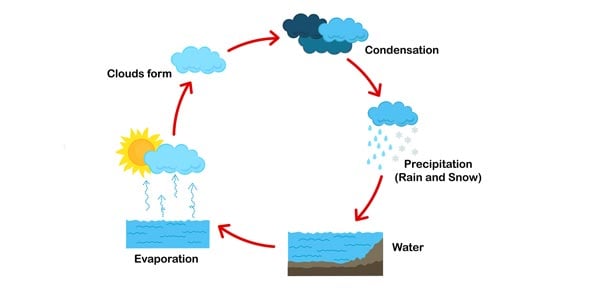 Furthermore, we watched a video on the water cycle demonstrating a connection to Science. Students are asked to think of a dance that mimics the water cycle and flows into a new formation. I really liked how unique everyone’s dances were, even though they were presenting on the same concept. This would be something that I would have incorporated into my grade five practicum as we studied the states of matter and the physical changes. This solidifies the connections that students are making across the curriculum and allows them to visually as well as kinesthetically experience the water cycle.
I would like to sign off this blog with a quote taken from the slideshow from today's class that I really loved! This particular student learned how to dance through the water cycle, much like we did in today's class. This relates to Gardner's Multidisciplinary Theory of Learning as it demonstrates how the connections that students form kinesthetically, verbally, and visually through dance enhance their knowledge about topics that may seem difficult to understand in the beginning.
"When I began the water cycle, I knew a little. Then I danced and I knew a lot"
- a grade 2 student
We did not watch the following video in class but I think it can be applied to all grades and form a connection between the water cycle and dance for students.
Week 1: Just Dance!
Welcome to my dance portfolio where I will be compiling everything we have learned throughout the course! This was our first week of the class and I decided to make a vlog summarizing topics and instructional strategies that we learned. Please enjoy the following video as I take you through our dance activities!

No comments:
Post a Comment